
Answer –
For many businesses, the cost of accepting digital payments directly impacts overall profitability. While card payments have long been a standard option, the Merchant Discount Rate (MDR) associated with credit and debit card transactions can significantly add up over time. This is one of the key reasons why businesses are increasingly shifting toward UPI-based solutions to optimize transaction costs and improve margins.
One of the biggest advantages of using a UPI Payment Gateway is the potential reduction in MDR expenses. Card transactions typically involve processing fees that vary depending on card type and issuing bank. Over thousands of monthly transactions, these charges become substantial. In contrast, UPI transactions have historically operated with lower or zero MDR for many merchant categories, making them a cost-effective alternative for businesses handling high transaction volumes.
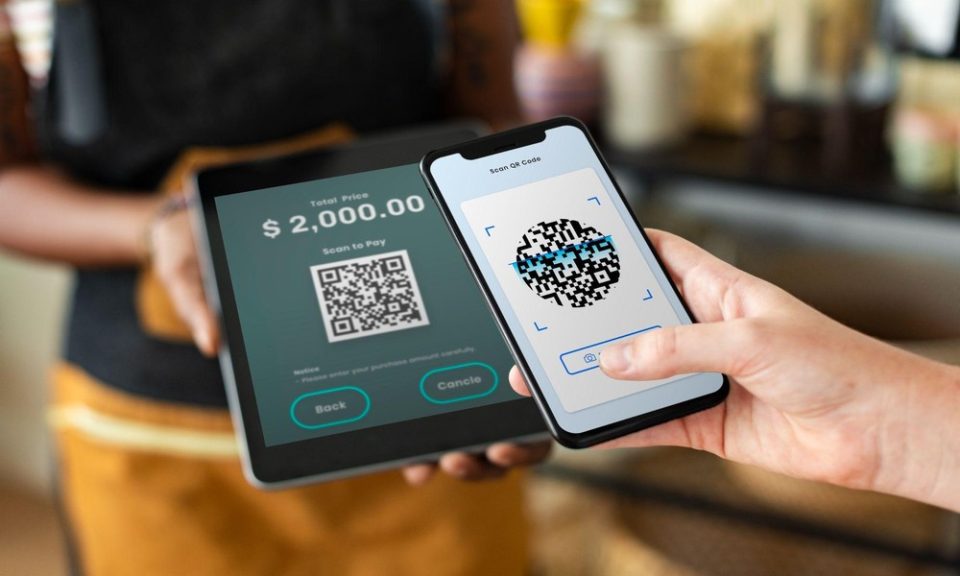
Beyond cost savings, customer behavior is also driving this shift. UPI has become one of the most preferred payment methods in India due to its simplicity and speed. Customers no longer need to enter lengthy card numbers, expiry dates, and CVV details. Instead, they can authorize payments within seconds using their UPI app. Integrating a reliable UPI Payment Gateway allows businesses to offer this frictionless experience, which can directly improve checkout completion rates.
Faster settlements and real-time confirmations are additional benefits. UPI payments are processed instantly, giving businesses immediate transaction visibility and simplifying reconciliation. Compared to certain card settlement cycles that may take longer depending on banking processes, UPI helps maintain healthier cash flow and operational efficiency.
Another factor influencing the transition is simplified infrastructure. Card payments often require POS machines for offline stores and involve multiple intermediaries in the processing chain. By working with a comprehensive Payment Aggregator, businesses can enable UPI alongside other payment modes under a single integration. A Payment Aggregator streamlines onboarding, compliance, and transaction management, reducing operational complexity while still offering customers multiple payment choices.
UPI is particularly beneficial for businesses dealing with small-ticket or high-frequency transactions, such as retail stores, food outlets, subscription services, and D2C brands. Lower transaction costs combined with instant processing create measurable savings over time. Even a small reduction in per-transaction fees can significantly impact annual revenue when scaled across thousands of payments.
Security and trust also remain strong with UPI systems, as transactions are authenticated directly through secure banking apps. This reduces fraud risk and increases customer confidence, further encouraging adoption.
In conclusion, businesses are switching from traditional card payments to UPI-driven solutions primarily to lower MDR costs, improve cash flow, and align with evolving customer preferences. By leveraging a robust UPI Payment Gateway and partnering with a reliable Payment Aggregator, businesses can create a cost-efficient, seamless, and scalable payment ecosystem that supports long-term growth.
