
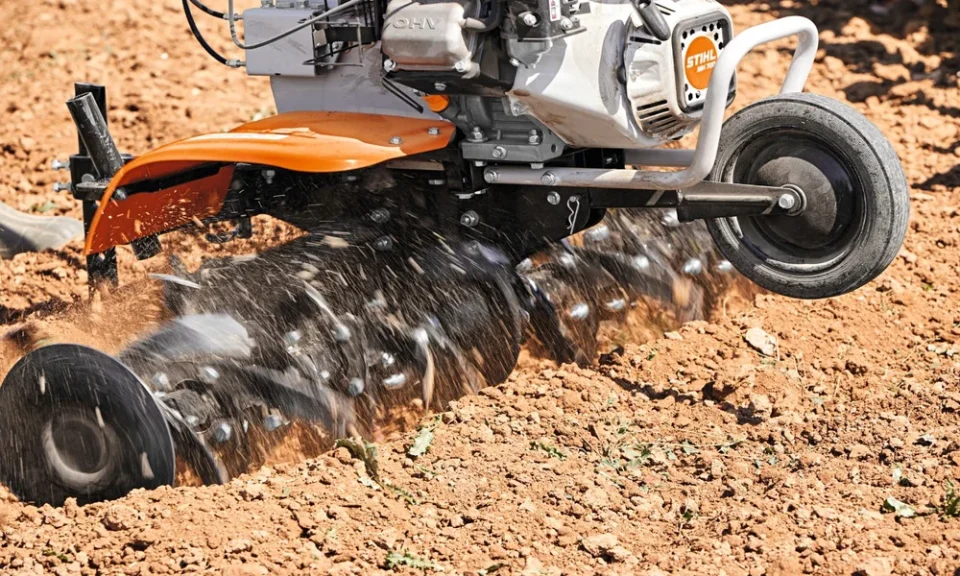
Preparing agricultural equipment for a new season entails more than simply confirming that tractors and machines are ready to work. A reasonable budget that includes maintenance, fuel, repairs, replacement parts, and other equipment purchases that may be required is also essential for farmers. Managing seasonal spending and lowering the possibility of unforeseen costs impacting other parts of the farm can be achieved by planning these costs prior to the start of fieldwork.
Incorporating options such as agricultural equipment financing into your seasonal planning allows you to acquire necessary machinery, manage upfront capital requirements effectively, and protect the liquid cash flow needed for daily operational expenses.
2. REVIEW LAST SEASON’S SPENDING
Examining the equipment-related costs from the prior season is a helpful place to start. Fuel bills, repair invoices, maintenance expenses, replacement parts, and equipment rental fees might show where the most money was spent. Farmers can use this data to find recurring expenses and assess whether the cost of maintaining machinery is rising.
3. INSPECT EQUIPMENT BEFORE BUDGETING
A physical examination might give a more accurate picture of future costs. It is important to inspect tractors, harvesters, tillers, sprayers, trailers, and other equipment for worn parts, damaged tires, fluid leaks, battery issues, and neglected maintenance. Early problem detection allows farmers to arrange repairs and get quotes before the equipment is required in the field.
4. SEPARATE ESSENTIAL AND OPTIONAL SPENDING
Not every equipment expense needs to be paid for right away. Farmers can separate their planned expenditures into three categories: necessary repairs, regular maintenance, and optional upgrades or improvements. Safety-related repairs and issues that might prevent machinery from operating should be addressed first, and optional purchases can then be evaluated based on available funds and their anticipated contribution to farm operations.
5. ESTIMATE FUEL AND OPERATING COSTS
Fuel can be a significant seasonal expense, especially for farms that operate machinery for extended periods of time. Farmers should consider the fuel needs of each large machine and project their anticipated working hours. Instead of being treated as unforeseen expenses, other running costs such as lubricants, filters, tires, batteries, and routine maintenance should also be included.
6. PLAN FOR REPAIRS AND REPLACEMENT PARTS
Machinery can malfunction at peak periods, when repairs are more disruptive. Establishing a repair allowance might offer beneficial financial security. Farmers should also think about the price and accessibility of frequently needed replacement parts. Downtime may be decreased by keeping some necessities on hand, particularly when local suppliers have limited inventory.
7. CONCLUSION
Farmers have more control over seasonal expenditures when they have a well-planned equipment budget. A more realistic financial picture can be produced by analysing past spending, examining equipment, estimating operating costs, setting repair priorities, and organising significant acquisitions. An emergency reserve provides additional defence against unforeseen malfunctions. Farmers can start the season with ready-to-use equipment and a budget more suited to the demands of the next season if they prepare ahead of time.
